NAD+ for Energy: Can Increasing NAD+ Levels Help You Feel Less Tired?
Fitstar Team · Oct 22, 2026
You may be sleeping reasonably well, exercising and getting through the day, yet still notice that everything feels slightly harder than it used to. Workouts take more out of you, recovery feels slower, or the afternoon slump arrives earlier than you would like.
Low energy can have many causes, but it also helps explain the growing interest in NAD+. This naturally occurring molecule plays a central role in the way cells produce and manage energy, and researchers have spent years exploring whether supporting NAD+ levels can improve metabolic function, physical performance and resilience as we age.
NAD+ helps your cells turn fuel into usable energy
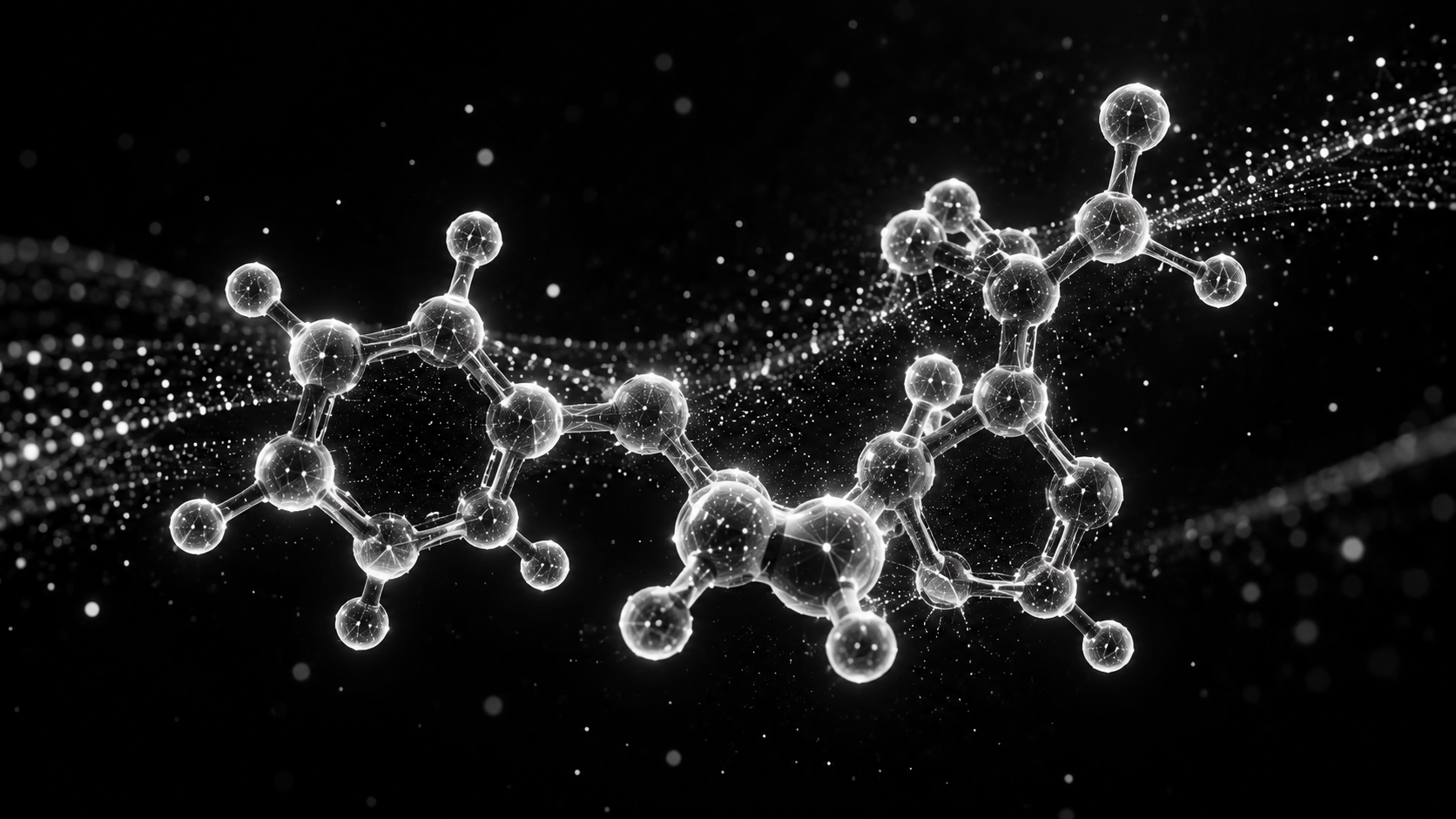
NAD+ stands for nicotinamide adenine dinucleotide, a molecule found in every cell in the body. One of its most important jobs is helping move electrons through metabolic reactions, which is fundamental to how carbohydrates, fats and other nutrients are ultimately converted into ATP, the form of energy cells can use.
NAD+ continually cycles between NAD+ and NADH as part of this process, helping shuttle electrons through metabolic pathways and supporting energy production inside the mitochondria. It is also used by enzymes involved in DNA repair, cellular stress responses and mitochondrial maintenance, which is why scientists increasingly view NAD+ as part of a broader system that helps cells adapt to metabolic demands rather than simply as an “energy molecule.”
A major 2025 review in Nature Metabolism examined the growing human evidence around NAD+ metabolism and strategies designed to increase NAD+ availability, reinforcing its central role in metabolism and age-related cellular function.
Why NAD+ has become such an important target
Cells must continuously produce and recycle NAD+, while other biological processes consume it. With aging, metabolic stress and certain health conditions, the balance between production and use can become less favorable, which has driven interest in strategies designed to restore or support NAD+ availability.
Researchers are particularly interested in what that might mean for mitochondrial function, physical capacity and metabolic resilience. If cells have greater access to a molecule that is fundamental to fuel metabolism and cellular repair, there is a strong biological rationale for exploring whether that support can translate into better function.
This is also why NAD+ has become relevant well beyond the traditional “energy boost” conversation. Its biology intersects with exercise, metabolism, recovery and healthy aging, all areas where the ability of cells to respond efficiently to stress matters.
There is more than one way to support NAD+ levels
NAD+ research includes several different approaches. Some studies use compounds the body can convert into NAD+, particularly nicotinamide riboside (NR) and nicotinamide mononucleotide (NMN), while other therapeutic approaches administer NAD+ directly.
These methods are biologically related but not identical, and much of the larger human research base has focused on NAD+ precursors. That distinction is useful when interpreting individual studies, although the broader reason for interest is the same: supporting the NAD+ system and the metabolic processes that depend on it.
What does the research show about energy and physical function?
A recent systematic review and network meta-analysis brought together 27 studies and examined NAD+ precursors across outcomes including fatigue, endurance, cognitive performance and quality of life.
One of the more interesting findings was that benefits appeared to depend on what researchers measured. NMN was associated with improvements in aerobic capacity and endurance at certain doses, while other NAD-related interventions showed positive signals in areas such as cognitive performance and quality of life in specific populations.
However “energy” can mean several things, for different people. For one person it can mean staying mentally sharp through the afternoon; for another it means sustaining a harder workout, recovering better after exercise or simply having more physical capacity throughout the day.
NAD+ is most directly connected to the machinery behind those processes: how cells handle fuel, maintain mitochondrial function and respond to metabolic demand. It is not a stimulant, so the goal is not necessarily an immediate surge in energy but better support for the systems that produce and manage it.
Why mitochondria matter when energy feels low
Mitochondria are often described as the powerhouses of the cell because much of the ATP your body uses is generated there. Muscle contraction, brain activity, repair and countless other processes depend on that energy supply.
NAD+ is deeply integrated into mitochondrial metabolism, which makes it particularly relevant when the goal involves endurance, physical function or metabolic health. Supporting NAD+ availability may help cells operate more effectively under demand, especially in situations where metabolism is being challenged by age, training or other forms of physiological stress.
This helps explain why the NAD+ conversation increasingly extends beyond simply “feeling tired.” The more meaningful question is often whether the systems responsible for producing and using energy are functioning as efficiently as they could.
So, can increasing NAD+ levels help you feel more energetic?
There is a strong biological case for NAD+ in cellular energy metabolism, mitochondrial function and metabolic adaptation, and human studies show that NAD+ focused interventions can meaningfully influence this biology. Research also points to improvements in measures such as endurance and aerobic capacity in certain populations.
How noticeable that becomes in everyday life will depend partly on why energy feels low in the first place. Someone whose main issue is poor sleep, iron deficiency or an untreated thyroid problem is dealing with a different biological problem from someone whose goal is improving metabolic resilience, exercise capacity or age-related energy.
That is why NAD+ becomes most useful when it is considered as part of a broader health picture rather than simply as a generic answer to tiredness.
Where Fitstar comes in
Low energy can mean different things for different people, which is why choosing a therapy based on the symptom alone is rarely the best starting point.
Fitstar uses your health profile, goals and medical history to help build a preliminary therapeutic protocol that can then be reviewed with a licensed clinician. With something like NAD+, that means considering what you are trying to improve, what else may be contributing to the problem and whether NAD+-focused therapy fits into the wider strategy.
When NAD+ treatment is appropriate, the relationship continues beyond the initial recommendation. Fitstar can help you manage your protocol, track how you respond and stay connected with your care team as your needs and goals evolve.
Because when the goal is more energy, better performance or greater metabolic resilience, supporting the right biological system matters more than simply chasing the feeling of an energy boost.
Sources & Further Reading
Gao et al. (2026). Domain-specific effects of NAD+ precursors on fatigue and functional performance: a systematic review and network meta-analysis. Analysis of 27 studies involving 1,599 participants examining perceived fatigue, endurance, cognitive performance, sleep and quality-of-life outcomes. Full text | PubMed
Vinten KT, et al. (2025). NAD+ precursor supplementation in human ageing: clinical evidence and challenges. Nature Metabolism. Major review of human NAD+ biology, age-related changes and clinical evidence for NAD+ precursor supplementation. Journal article | PubMed
Lautrup S, et al. (2024). Roles of NAD+ in Health and Aging. Cold Spring Harbor Perspectives in Medicine. Review of NAD+ in cellular metabolism, energy production, mitochondrial maintenance, DNA repair and aging biology. Full text | PubMed
Gallagher C, Emmanuel OO. (2026). NAD+ supplementation for anti-aging and wellness: A PRISMA-guided systematic review of preclinical and clinical evidence. Ageing Research Reviews. Review of 113 studies, including 33 human intervention studies, covering NAD-related biomarkers and functional outcomes. PubMed
Reyna et al. (2026). Intravenous infusion of nicotinamide adenine dinucleotide (NAD+) versus nicotinamide riboside (NR): a retrospective tolerability pilot study in a real-world setting. Human research directly examining commercially administered intravenous NAD+ and NR, including tolerability, safety markers and exploratory metabolic outcomes. Full text | PubMed
Yusri K, et al. (2025). The role of NAD+ metabolism and its modulation of mitochondria in aging and disease. Review of the relationship between NAD+ metabolism, mitochondrial function and cellular homeostasis. Full text